
Hood Athletic Edge
Want to skate faster. Then your body needs to move well to be able to produce speed.
Already doing speed training without getting faster on the ice? Assess your movement, rebuild missing range, strengthen it, then progress to speed.
You want to skate faster. So you add more jumps, more sprints and more work in the gym. Those tools have a place. But here is the question I want you to ask before you simply add more: can you actually get into—and control—the positions you are trying to produce force from?
Working harder is one thing. Having more usable movement to work with is another. My approach is to look at both.
Doing more speed training, but still not skating faster?
Maybe you are already putting in the work. Plyometrics. Sprints. Explosive lifts. You might even look quicker in those exercises. Then you get back on the ice, and your skating still feels the same.
At that point, I would not automatically tell you to do another pile of speed drills. I would want to look at how your body moves.
Can your hips move through the positions you need? Can you control those positions without your pelvis or lower back doing the work instead? Can you produce force through that range, or do you only feel strong in a small part of it?
If a movement limitation is part of what is holding you back, more explosive work does not rebuild that missing movement for you. You can get better at a drill while still working around the same limitation. That is why hockey skating speed and mobility deserve a place in the same conversation.
This is not about calling your whole body dysfunctional. It is about finding a specific limitation and giving it the right training, instead of assuming effort is the missing piece.
The blueprint: assess, rebuild, strengthen, then train speed
Here is the order I use when an athlete has a range or control limitation: find what is missing, rebuild it, learn to own it, build strength through it, and then progressively ask it to work at higher speeds.
1. Assess the movement you actually have
Start with a whole-body or lower-body CARs assessment. CARs are controlled articular rotations: slow joint movements that help you see the range you can actively use, rather than the range you can force yourself into.
For a simple skating example, look at the hips.
I start with supine hip capsule CARs. Lie on your back with your hip and knee at 90 degrees. Slowly check rotation in each direction and compare sides. Your foot moving inward checks external rotation; moving outward checks internal rotation. Keep your pelvis and spine still, and keep the thigh in position rather than letting it drift to manufacture extra movement.
Only when rotation is clean do I move to the standing straight-leg hip check: flexion, abduction and extension. Can you lift and hold the leg using the hip, or does your back or pelvis have to help?
You are looking for an honest starting point. Where does movement stop? Where do you lose control? Does one side have a noticeably different range?
Pain or a persistent pinch is not something to force through, and it does not automatically mean you need more stretching. Get it assessed before deciding how to load it.
2. Rebuild what is genuinely missing
If the assessment shows that you are missing a usable range of motion, that is the range to work on. Not random stretching. Not another sprint session. Specific training for the movement you do not currently have.
This is where I use PAILs/RAILs: progressively building effort on both sides of an appropriate end-range position. The aim is to rebuild access to the range and develop capacity there, rather than only chasing a temporary loose feeling.
For example, if your hip rotation is limited, work on that identified rotation limitation first. Reassess it. See whether you have gained movement you can actually use, rather than borrowing it from somewhere else.
3. Own the range and strength train all of it
Getting into a position is not the finish line. You need to control it and produce force there.
If you have range but cannot actively manage it, start with Joint Control. Learn to move the joint deliberately before asking it to handle harder loading.
Then comes Bulletproofing: actual strength training for the range you own. Train throughout that available range, including the positions where you currently feel weak—not only the middle where everything feels easy.
In my Bulletproofing library, the isometric work is high effort—75% to max effort when appropriate for the athlete—and most sessions finish with dynamic mobility work. That is different from low-intensity recovery work. The goal here is strength and force capacity through the range, not just relaxation.
Rebuilding gives you access to missing range. Joint Control helps you own it. Bulletproofing builds strength in the range you already own. Each has a different job.
4. Progress from controlled strength to force at speed
Now you have a clearer foundation: usable range, active control and strength through it. The next step is to progressively train those positions in faster, more dynamic settings.
Build from movements you can manage toward quicker efforts and sport-relevant demands. This is where your explosive work has a purpose beyond simply adding more volume: you are asking a better-prepared movement to produce force faster.
For an identified limitation, I want those boxes checked before we push that affected movement into top-end efforts. That does not mean every athlete must stop all speed training until every joint moves perfectly. Keep suitable training going; scale the work that exceeds what you can currently control or tolerate.
5. Take it back to the ice
Then practice using it in your skating. New range and strength do not automatically become a better stride. You still need on-ice work to connect that capacity to your technique, timing and demands of the game.
Look for real changes: can you reach and hold a position more comfortably? Can you push from it with better control? Does that carry into your skating when you compare similar drills and conditions?
If movement limitation was part of the plateau, addressing it can be a drastic game changer in your overall skating ability and unlock the ability to get real results with your speed training.
Stop guessing at what your training is missing
If you already do plenty of speed work and are not getting faster on the ice, look beyond adding another drill. Assess how you move. Rebuild what is missing. Own it. Strength train the range. Then train it at speed and practice using it in your sport.
What players experienced working with Dylan
“I noticed immediate improvements in my explosiveness and agility on the ice. The focus on functional mobility helped me stay healthy through the season and understand exactly what I need to maintain performance.”
— Cody Schiavon | Jacksonville Icemen / ECHL
“I honestly never realized how much my hip mobility was holding me back until I started working with Dylan … As the summer went on, I could really feel the difference. I was moving better, getting stronger, and feeling more powerful and comfortable on the ice. It’s made a noticeable difference in my skating and overall game.”
— Tristan Bailey, Winnipeg Blues MJHL
That is the connection to the Hood Athletic Edge Mobility Membership: assessment-led joint training through the Rebuilding, Joint Control and Bulletproofing libraries, so you can work on a specific limitation instead of collecting random stretches.
Want a practical hip starting point? Get the free Three-Step Blueprint to Better Hip Rotation, with the assessment, follow-along rebuilding session and strengthening work.
In their own words
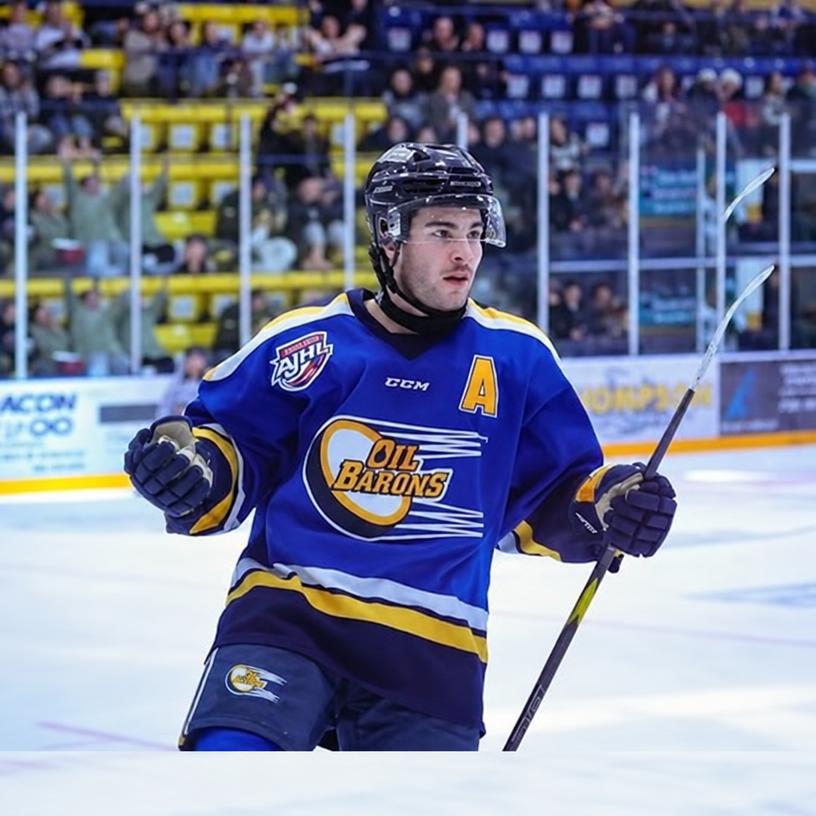
“I’ve been training with Hooder for the last 5 seasons and over that time he has helped me focus on the mobility side of training. I have felt a big improvement in my game. His training has helped me build more strength, improve my top end speed, and become a more mobile player. As a hockey player, those things make a huge difference on the ice. His training has a huge impact on my game. There is purpose behind everything we do and how it translates to the ice. I’ve really appreciated the impact it’s had on my development.”
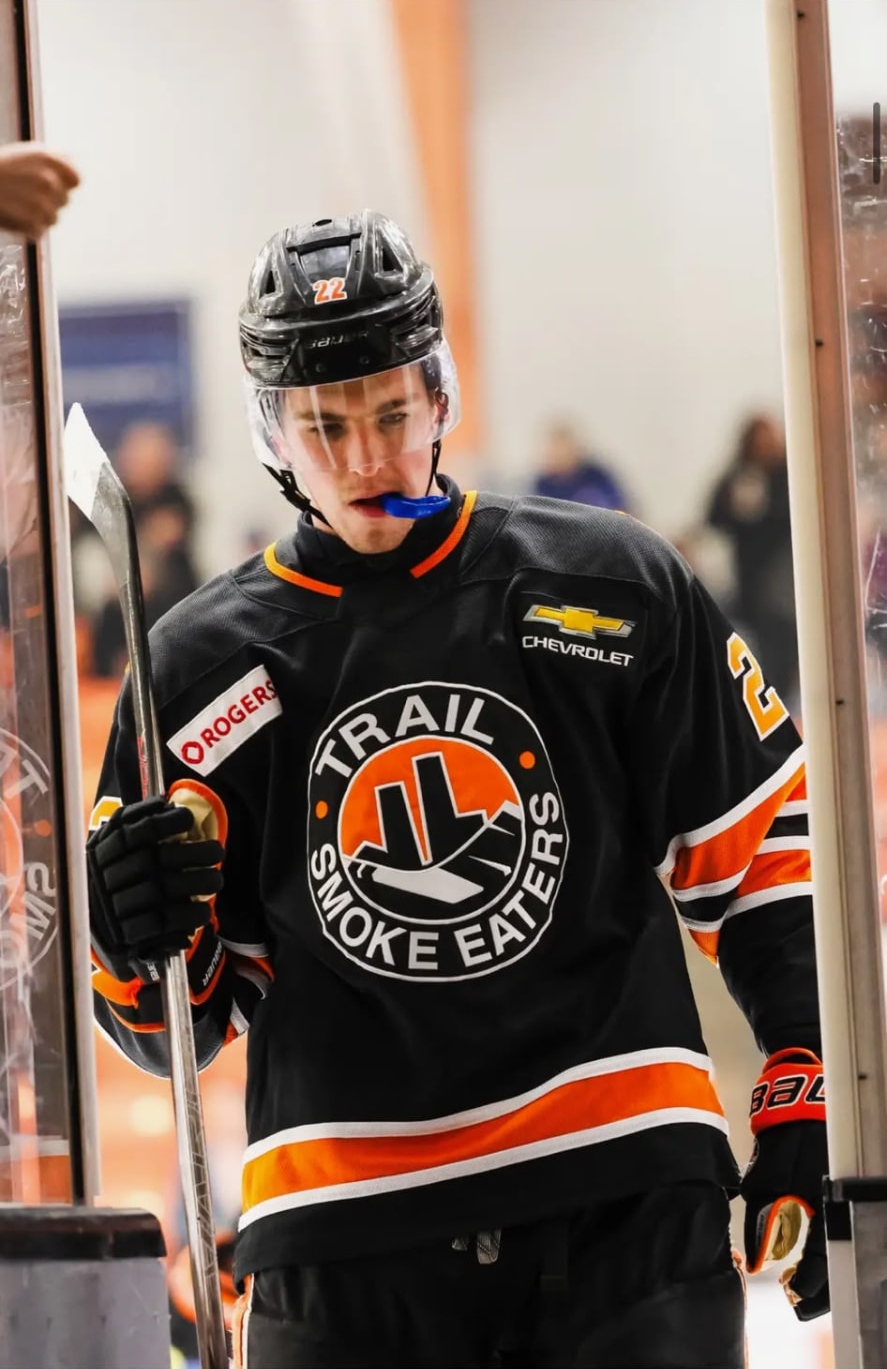
“Absolutely love training with Hooder, he taught me more in a couple of sessions then my last trainer did in years. He genuinely cares about helping you improve and takes the time to make sure you get the most out of every session. His style of mobility training has been an absolute game changer for my hips and overall skating.”
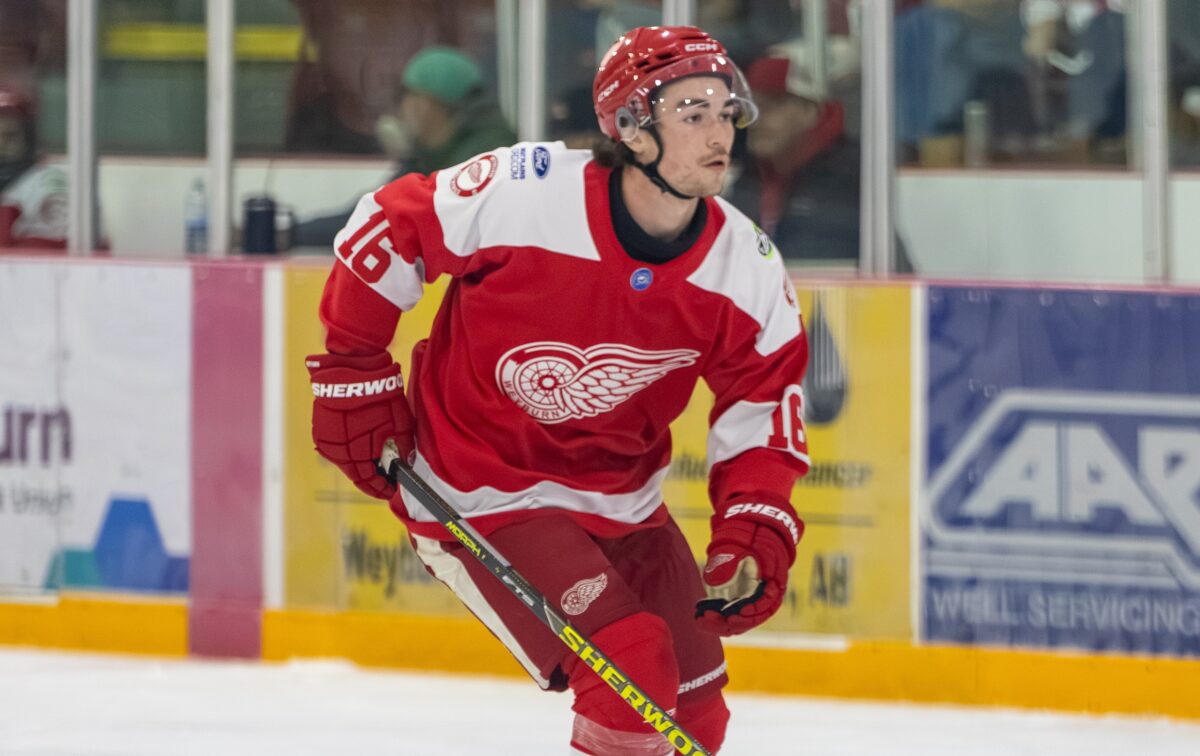
“Training with Hooder was an awesome experience. His knowledge of hockey focused mobility is incredible, and I learned so much from him that has helped me better understand my body, improve my movement, and become a better athlete.”
Individual experiences working with Dylan. Photos may show an earlier team; these accounts are not promises of results from a specific online program.