Hockey Movement + Performance Training
Build a Body You Trust.
Move better, perform better and keep doing what you love with a hockey-specific system built to improve joint function, usable movement, strength and athletic performance.
Assess what is limiting you. Build the capacity you need. Take it back to the ice.
When your body keeps holding you back
Everybody Has Something.
Spend enough time in a hockey dressing room and you see it everywhere.
One player has the hip that never feels right. Another is constantly managing a groin. Someone has a back that tightens before games. A shoulder they do not fully trust. An ankle that never came back after an injury.
The problem is not always that athletes are not working hard enough. Many are doing a lot — stretching, rolling, treatment, mobility drills, extra warm-ups — without knowing what their body actually needs.
Hood Athletic Edge was built to replace that guesswork with a system.
Your body should not become a full-time job just so you can play hockey.
The Issue Is Not Always Effort.
Sometimes It Is Direction.
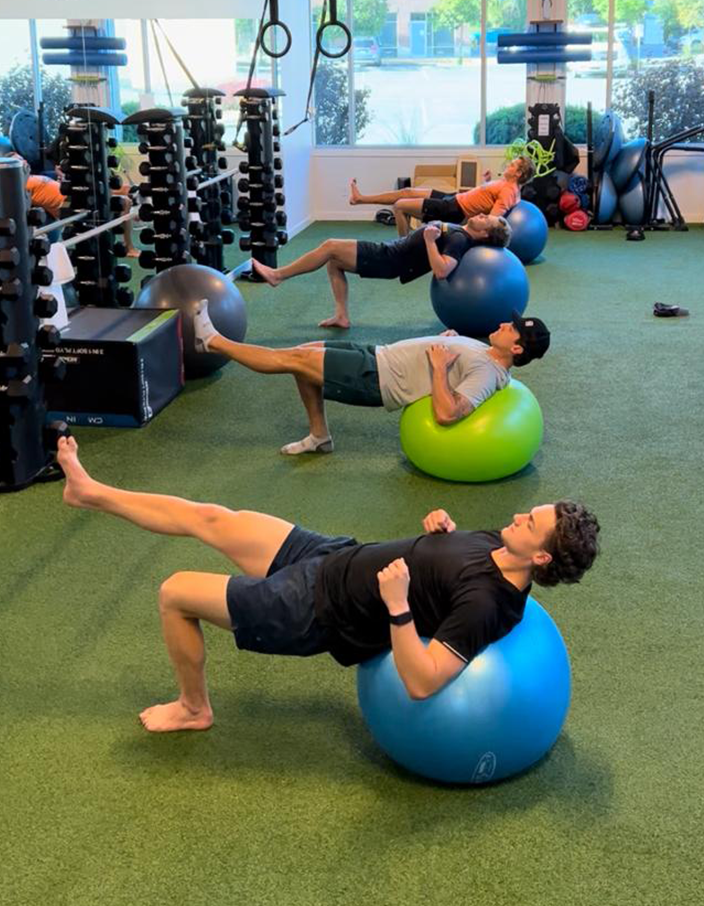
Feeling tight does not automatically mean you need more stretching. Having range does not automatically mean you can control it. And doing more mobility does not guarantee you are addressing the thing that is actually limiting you.
- What range of motion is actually available?
- Where is movement restricted?
- What range exists passively but is not controlled actively?
- Where does the athlete compensate?
- Does the athlete need more range, more control, more strength — or a different training stimulus?
The first question is not “What exercise should I do?” It is “What does the joint actually need?”
The Hood Athletic Edge Method
Assess It. Build It. Own It. Use It.
Assess
Start with joint-specific movement and Controlled Articular Rotations to understand available range, active control, restrictions, compensation and where deeper assessment may be needed.
Rebuild or Bulletproof
If meaningful range is missing, rebuild it. If the range exists but cannot be actively controlled or loaded, strengthen and own it with end-range work, lift-offs, isometrics and progressive joint-specific training.
Integrate
Connect new range and control back into whole-body movement through dynamic mobility, athletic patterns, transitions, force absorption and force production.
Transfer
Progress the athlete toward using that capacity under the speed, load and coordination demands of hockey.
Build it slowly. Own it actively. Express it dynamically.
My story
I Spent Years Fighting My Body. Then I Got the Game Back.
For years, my hockey career revolved around managing my body.
My hips lost almost all internal rotation. My lower back and SI joint constantly compensated. There were nights I stayed up until one in the morning stretching, then spent the next day trying to get my body to feel good enough to play. I was eventually told hip replacements could be in my future.
Finding Functional Range Conditioning changed the way I understood the problem. I stopped asking only, “What feels tight?” and started asking, “What range is missing? What can I control? Where am I compensating? Can I produce force there?”
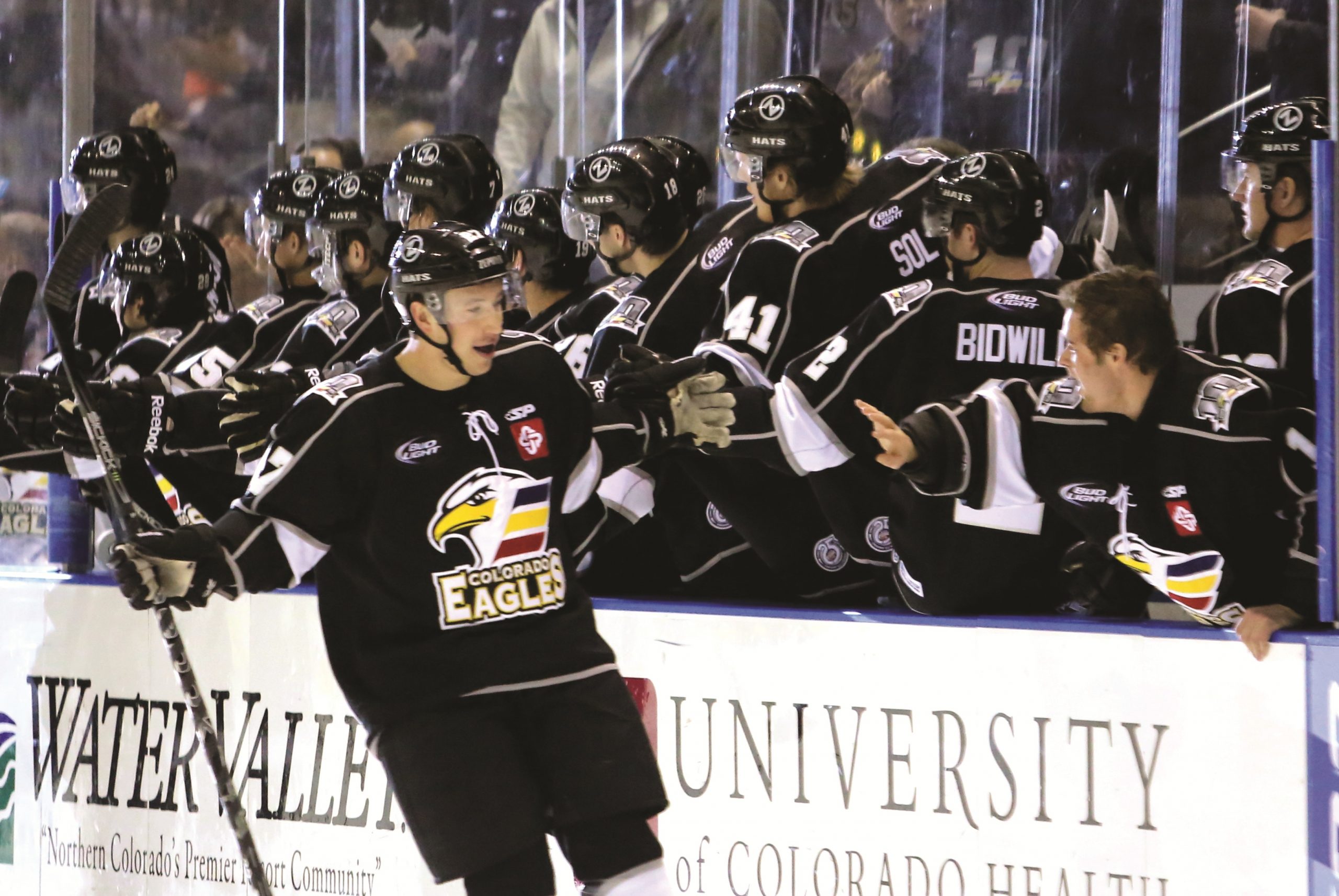
Over the next two seasons, I had back-to-back 80-plus-point, 40-plus-goal years. But the moment that changed Hood Athletic Edge came after the final game of year two.
I had three goals and three assists. I remember sitting alone in my stall afterward — and I was not really thinking about the six points.
I was thinking about how fun hockey had just felt.
My stride felt effortless. My hips felt stable. My knees felt strong. I could fly into battles, play at full speed and do whatever I wanted with the puck.
I felt free.
I felt like I was 15 again.
The season was over, and I did not want it to end.
I can’t believe I got back here.
Then I thought about every dressing room I had ever been in. Everybody has something. A hip. A groin. A back. A shoulder. An ankle. An old injury they are trying to manage.
That was the moment I realized this could not just be something I used to help myself. I needed to find a way to give other hockey players the tools to understand their bodies, rebuild what was limiting them and feel free enough to just play again.
Choose your path
What Does Your Body Need Right Now?
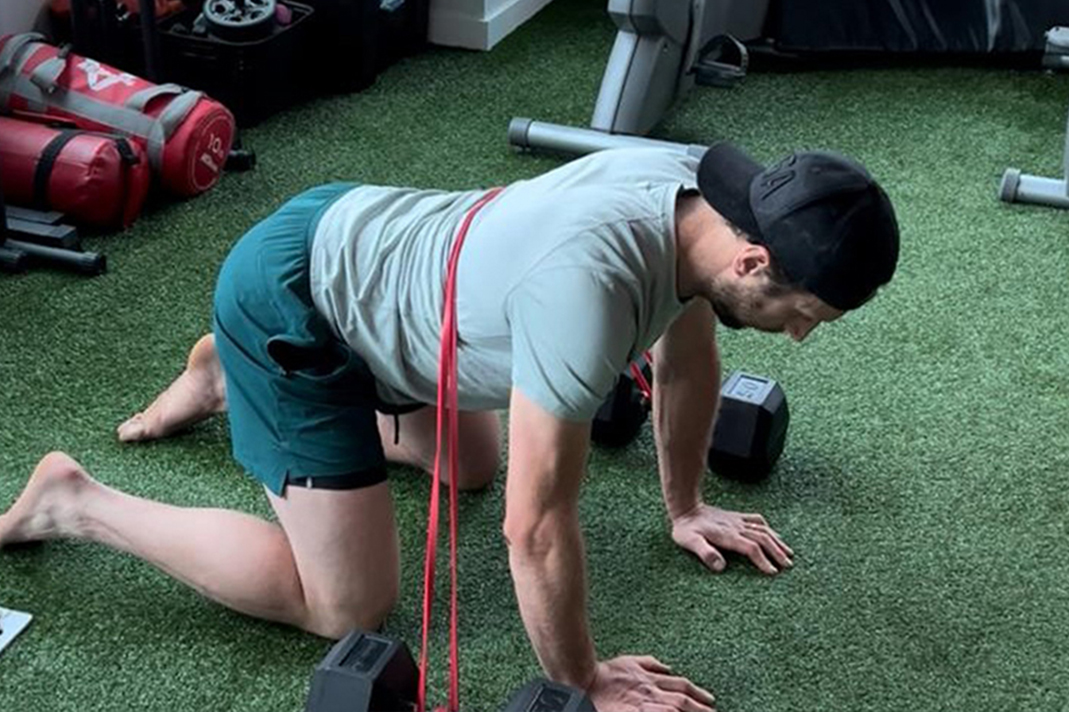
Hockey Mobility Membership
For players who want an on-demand system to assess, prepare, rebuild, recover and bulletproof their bodies throughout the year. Includes joint-specific libraries and the Interactive Mobility Guide.
Explore the Membership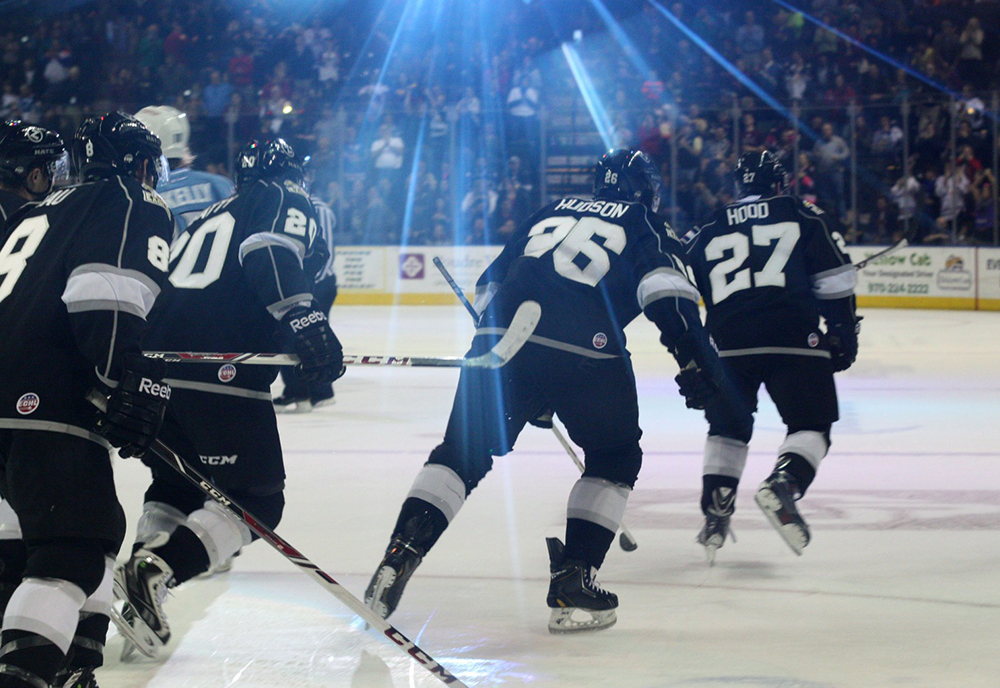
Online Hockey Training
Structured strength, speed, power and off-season programs built to improve hockey performance — not simply make you better at working out.
View Online Programs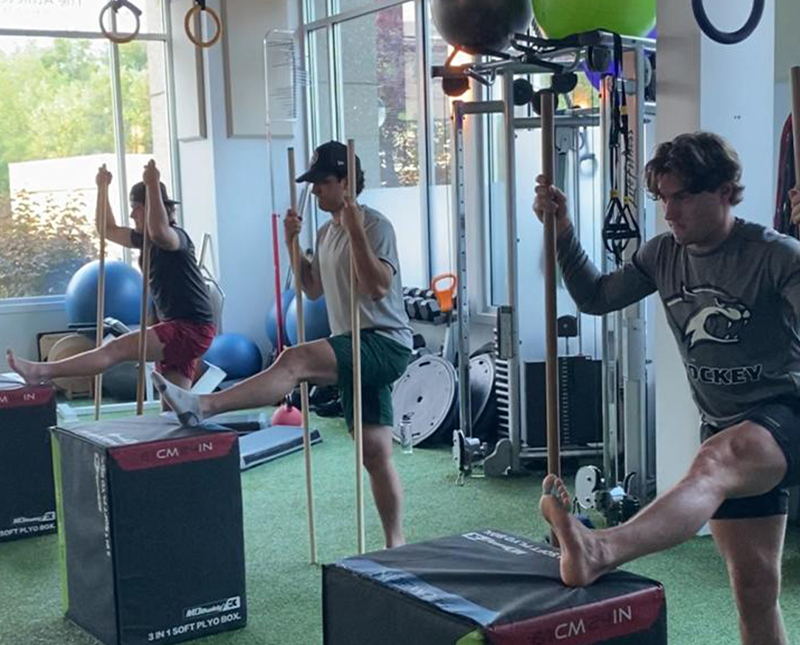
In-Person / Custom Coaching
Higher-touch coaching for athletes who need assessment, individualized programming and direct guidance.
Explore CoachingPrepare. Rebuild. Recover. Bulletproof.
More Than Mobility Workouts.
A System for What Your Body Needs Next.
Prepare
Get joints ready for skating, lifting and the demands ahead.
Rebuild
Work on meaningful restrictions and ranges that have been lost or poorly controlled.
Recover
Use lower-intensity movement and loading between demanding sessions.
Bulletproof
Build strength, control and increasingly athletic capacity through the ranges you possess.
The Interactive Mobility Guide helps athletes describe what is happening with their body and find a logical place to begin inside the system.
Your Body Should Keep Up With What You Want From It.
Your body should keep up with the player you are trying to become. If you already have the hockey IQ, skill and ambition, a physical limitation can become the bottleneck. Better movement gives you more options to express speed, power, skating positions and skill.
Train for the Next LevelYou stopped playing hockey. You did not stop being an athlete. Build back the movement and physical freedom to train, golf, play with your kids, stay active and do the things you still love without feeling like your playing career has to define what your body can do next.
Move Like the Athlete You Still AreProof
Built From Experience. Proven Through Athletes.
“Dylan’s training changed the way I approach my body. I feel stronger, move better and trust my hips again.”
“The joint work and end-range strength training kept me durable through long seasons at the highest level.”
“I dealt with recurring groin issues for years. Training the adductors the way Dylan teaches finally gave me strength I could rely on.”
Individual outcomes shown are individual results, not guarantees.
Training philosophy
Train for Hockey. Not for the Gym.
A stronger squat, deadlift or bench press is not the end goal. The gym exists to build a hockey player who can move, produce force, absorb force, accelerate, transition and repeat those demands on the ice.
Our training progresses from movement quality into strength, power and speed so the athlete is not simply collecting numbers in the weight room — they are building qualities that support the game.
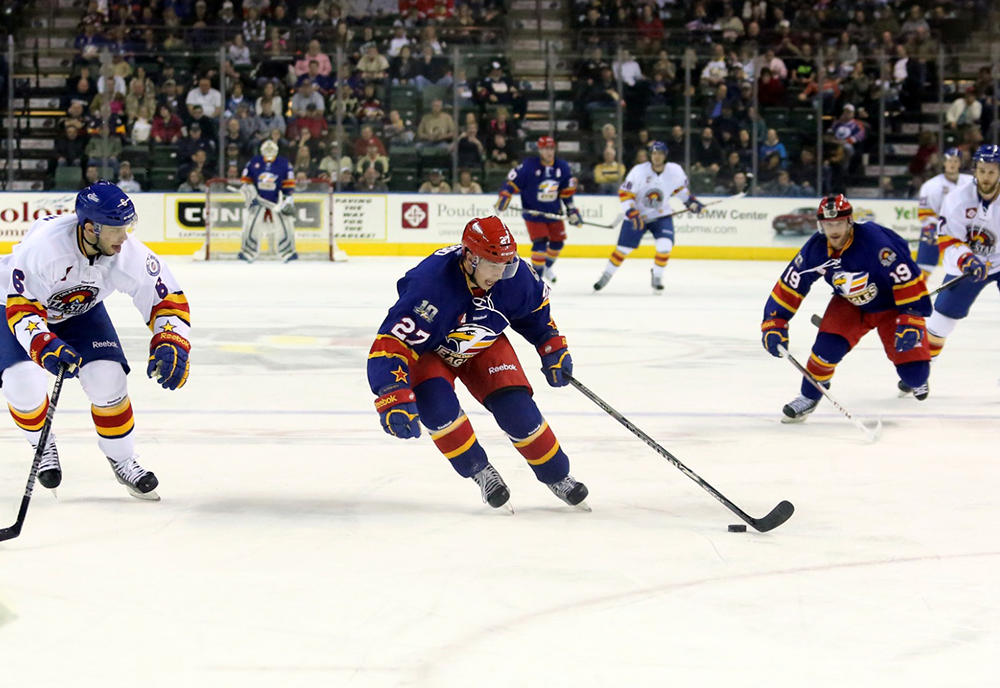
Longevity
The Goal Is Not Just to Survive the Season.
We want players to finish seasons still feeling capable — not counting down the days until their body gets a break.
And when hockey eventually ends, the goal is for the athlete to still have a body capable of supporting the rest of their life.
Train. Golf. Fish. Hunt. Ski. Play with your kids. Play men’s league. Stay active.
Your playing career should not come at the expense of the rest of your life.
Perform now. Preserve capacity. Keep playing. Keep living.
Build a Body You Trust.
Stop guessing what your body needs. Start building the movement, strength and capacity that let you focus on the game — not the limitations.