My Story
I Spent Years Fighting My Body and Then I Finally Got My Game Back.
For years, pain and physical limitations dictated how I trained, prepared and played. Rebuilding my own body changed the rest of my career — and eventually became the reason Hood Athletic Edge exists.
Before my body became the problem
Hockey Was Supposed to Feel Free.
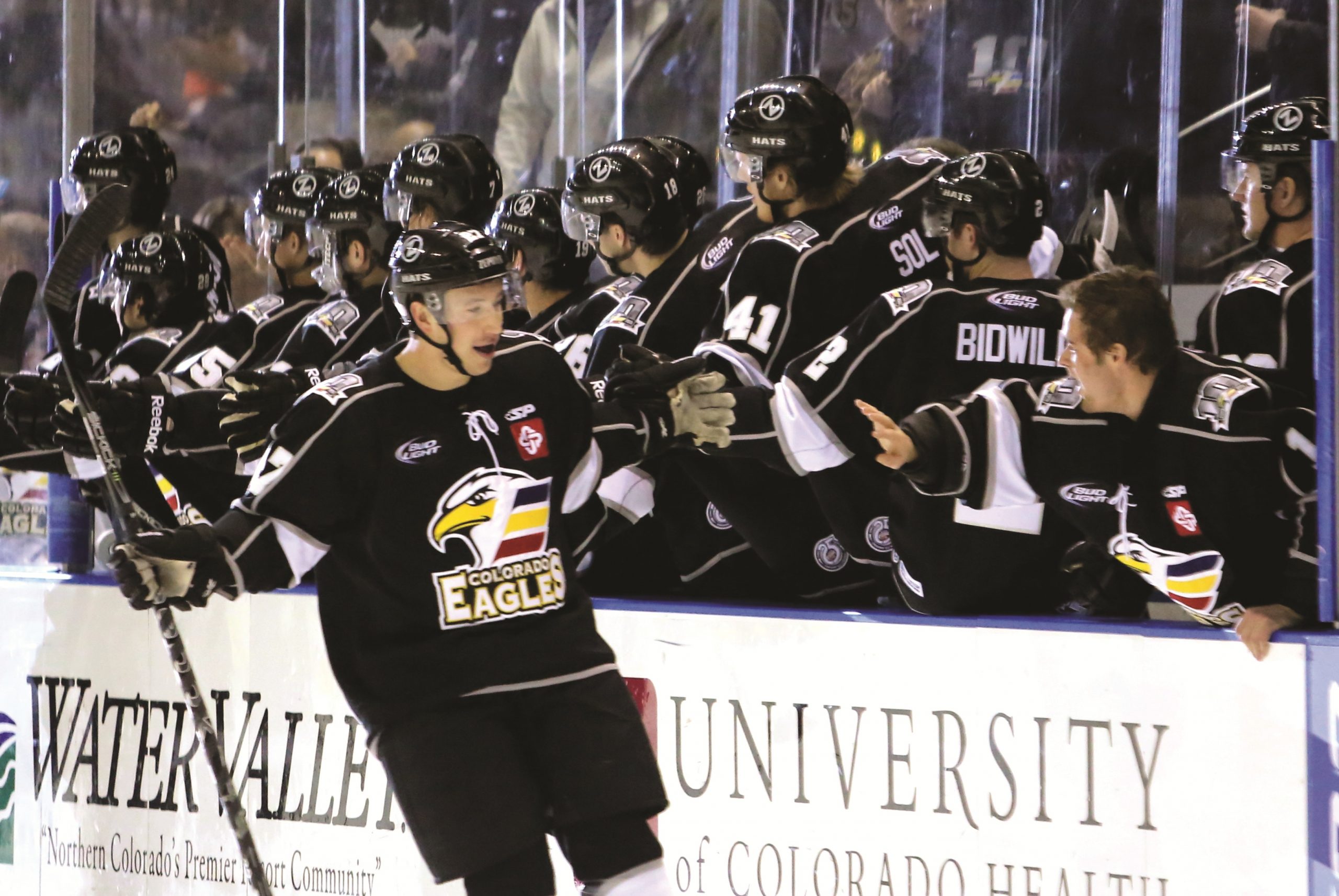
Like most hockey players, I did not start playing because I was thinking about performance metrics, mobility or joint function.
I played because I loved the game.
I loved being on the ice. I loved competing. I loved having the puck. I loved the feeling of flying around and reacting without thinking.
Eventually, I became good enough that the thing I loved turned into a career.
But professional hockey is hard on the body. Years of games, practices, travel, injuries and accumulated volume slowly changed my relationship with the sport.
Instead of simply thinking about hockey, I started thinking about whether my body was going to let me play it.
When my body started to break down
My Career Became a Constant Exercise in Managing Pain.
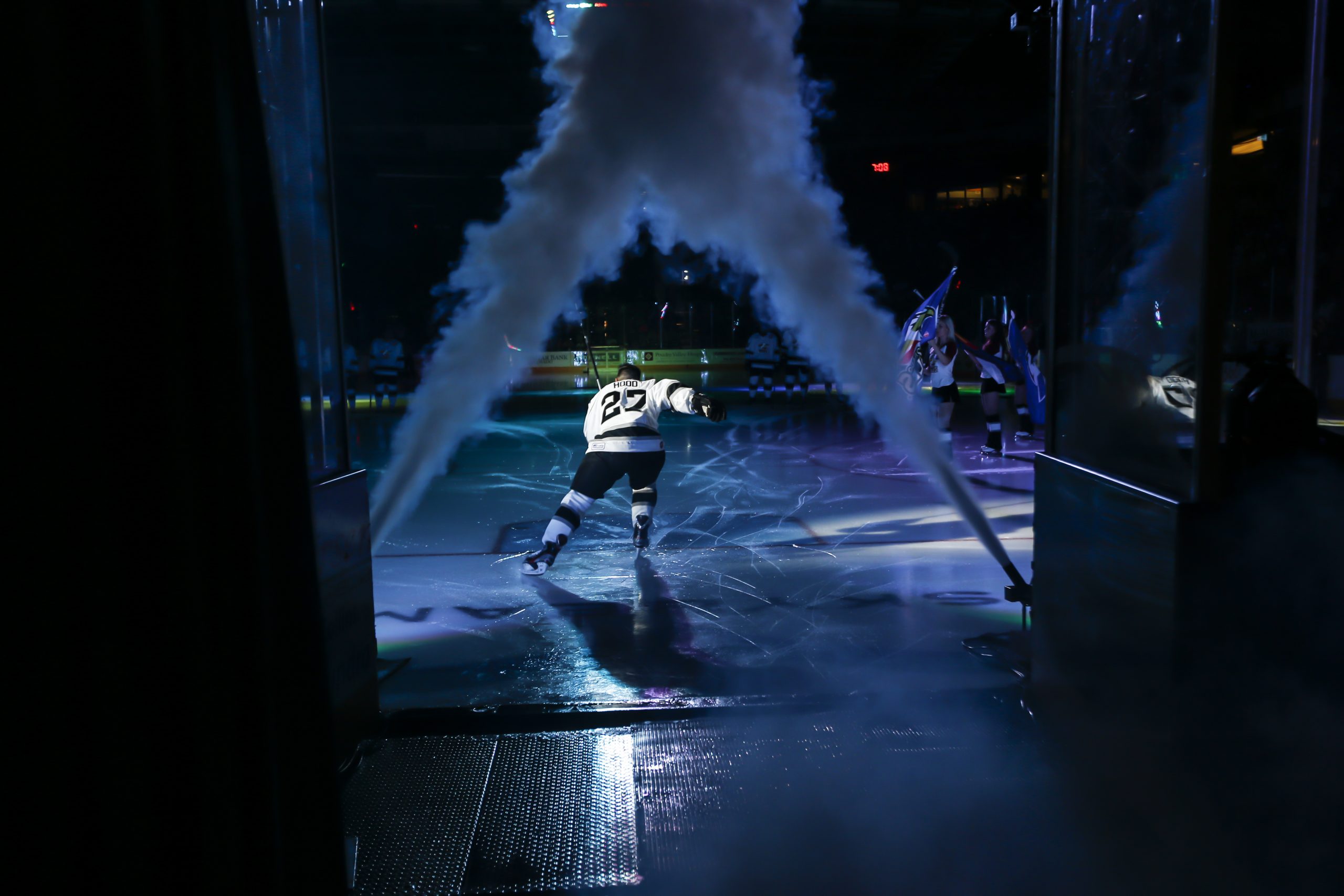
At 25, I broke my leg and severely damaged my ankle. I needed two surgeries and spent months in physiotherapy. I was away from the ice for roughly 18 months.
I eventually made it back and won a championship, but that injury was only one part of what my body was dealing with.
By my late twenties, my hips had deteriorated dramatically. My internal rotation was almost nonexistent. My lower back and SI joint were constantly compensating. Skating, training and recovering became harder and harder.
At one point, I was told hip replacements could eventually be in my future.
That is a difficult thing to hear when your entire life and identity have been built around being an athlete.
Your body should not be a full-time job
I Was Spending More Energy Trying to Feel Ready Than Thinking About Playing.
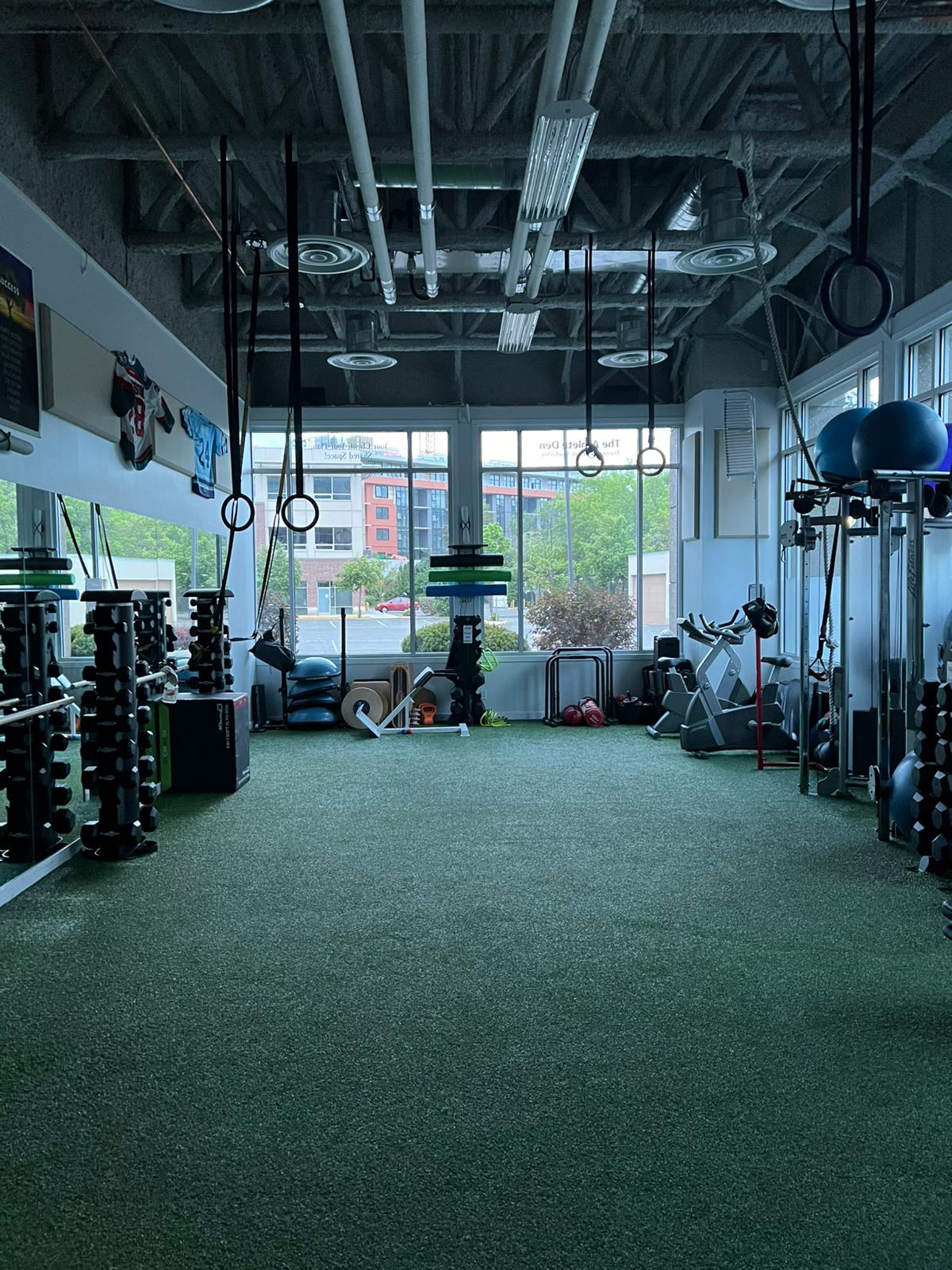
There were stretches of my career when my entire game day revolved around trying to make my body feel good enough to play.
I would be up late at night stretching my low back and hips, sometimes until around one in the morning, hoping I could get everything to settle down.
Then I would wake up and start again.
Yoga flows. Stretching. Lacrosse balls. Foam rolling. Mobility work. Anything that might make me feel loose enough to get through the game.
I could spend almost the entire day trying to make my body feel right, with a pre-game meal and a nap mixed somewhere in between.
And underneath all of it was the same thought:
Is my body going to cooperate tonight?
That is the part people do not always understand about chronic physical limitations. They do not only hurt. They consume your attention.
Your body becomes a full-time job just so you can do the thing you love.
I thought I needed to get looser
For Years, I Was Chasing Relief Instead of Building Capacity.
Like a lot of players, I thought the answer was to keep loosening everything up.
I would spend huge amounts of time rolling my hips with lacrosse balls and trying to open as much range as possible before games.
It might make me feel different temporarily, but I had not built the strength and control to actually own the range I was accessing.
I did not understand that yet.
I was asking the wrong question.
Instead of asking, “What muscle is tight?” I eventually had to start asking:
What range is actually missing?
What range do I have passively but cannot control?
Where am I compensating?
Can I create force in the positions hockey demands?
That change in thinking altered the direction of my career.
The moment my understanding of mobility changed
I Realized Mobility Was Not Stretching.
After years of searching for answers, I came across an athlete online demonstrating movement that looked almost impossible to me at the time.
The idea behind what he was showing was simple: the movement itself was not the training. It was an expression of the capacity he had built through training.
That question sent me down a completely different path.
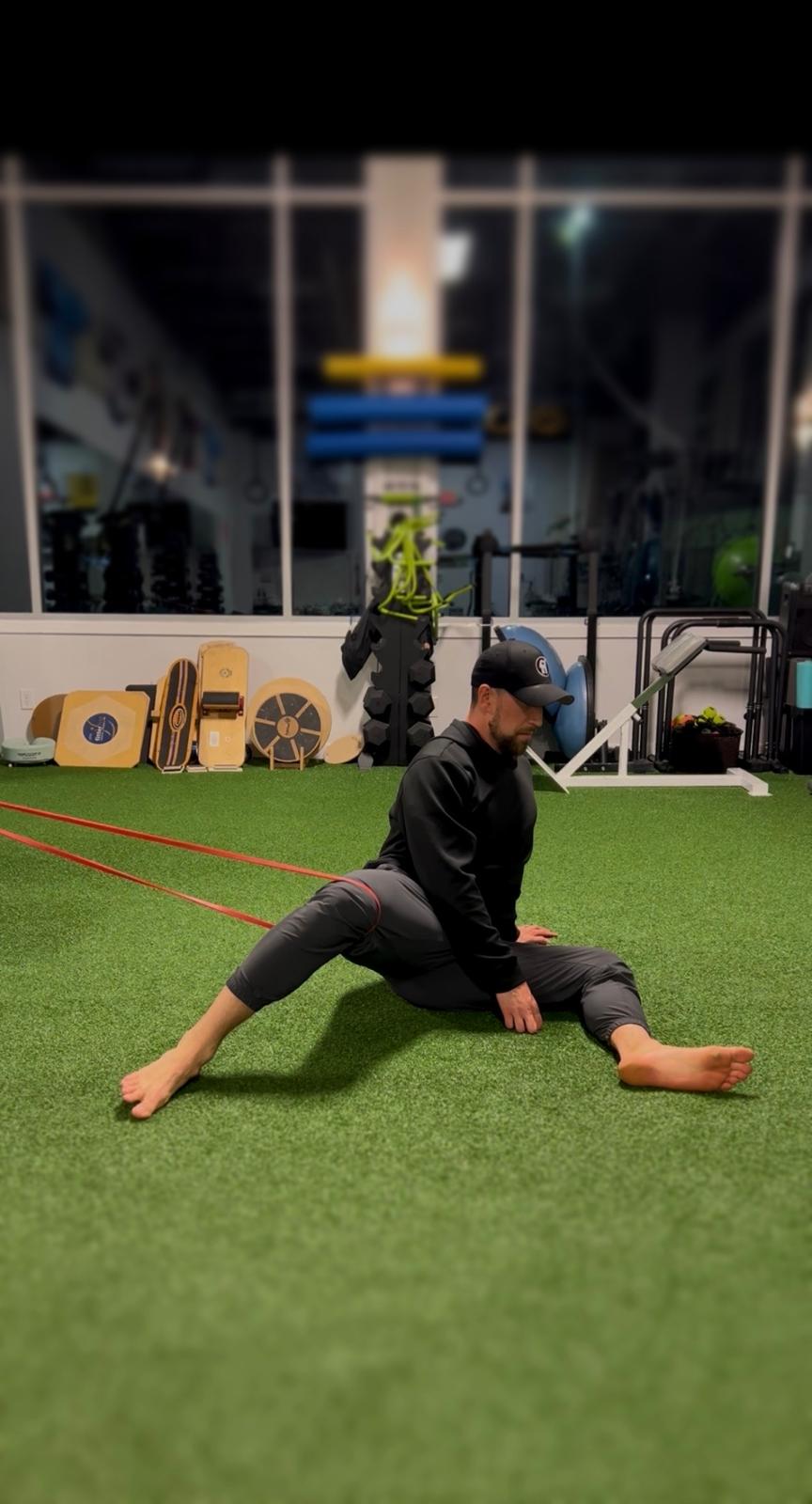
I learned that he was using Functional Range Conditioning principles, and that was my introduction to Controlled Articular Rotations, PAILs and RAILs, end-range isometrics and a completely different way of thinking about joint training.
The first time I experienced that style of work, I could immediately feel that this was different from anything I had done before.
I eventually pursued my FRC certification and began applying the principles to my own body.
FRC became a major foundation of my system — but it did not become the entire system.
Over the years, I combined those principles with my professional hockey experience, strength and performance coaching, and methods I learned from other high-level mobility coaches and mentors.
Rebuilding instead of managing
For the First Time, I Started Training the Things That Were Actually Limiting Me.
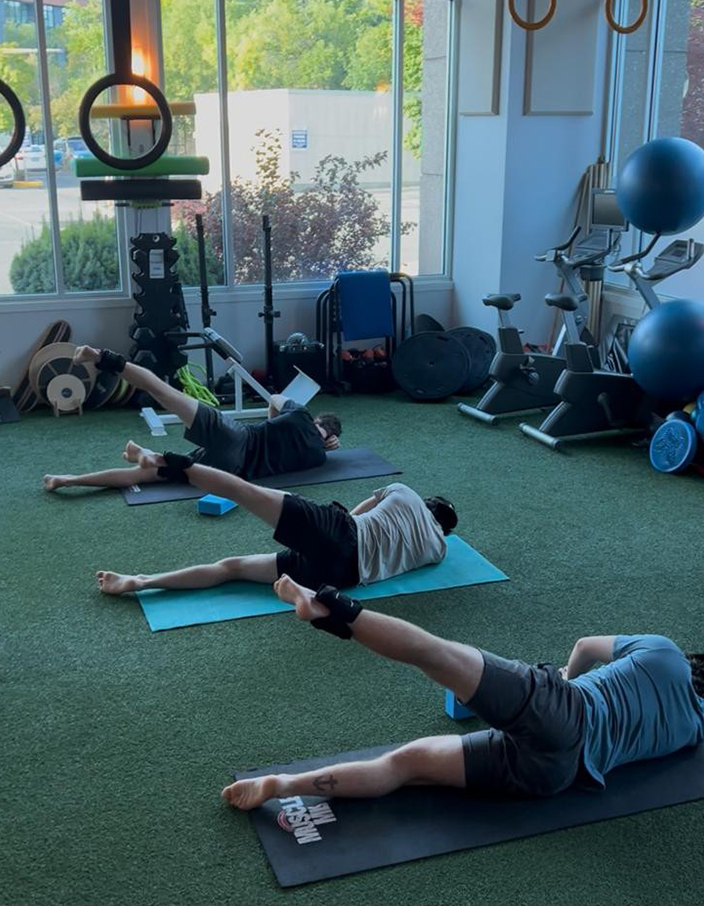
Instead of endlessly trying to loosen my hips, I started rebuilding them range by range.
Internal rotation.
External rotation.
Flexion.
Extension.
Abduction.
Adduction.
I used joint-specific assessment, PAILs and RAILs, lift-offs, end-range isometrics and progressive strengthening to build more movement and more control.
Then I started connecting that capacity back into dynamic athletic movement.
Slow and controlled first.
Then stronger.
Then faster.
Then more athletic.
The goal was never to become good at mobility drills.
The goal was to become a better hockey player because my body could finally access and control the positions I needed on the ice.
The proof was in how hockey felt
Two of the Best Seasons of My Career Followed.
After implementing the system, I put together back-to-back 80-plus-point seasons and back-to-back 40-plus-goal seasons.
I scored roughly 44 goals the first year and 43 the next.
Those numbers mattered because they showed I could still perform at a high level.
But the statistics are not the part of the story I remember most.
What I remember is how hockey started to feel again.
The dressing room
Then Came the Game I Will Never Forget.
It was the final game of my second season using the system.
I had one of those nights where everything worked.
Three goals. Three assists.
Six points.
But when I sat down in my stall after the game, I was not really thinking about the six points.
I was thinking about how much fun I had just had playing hockey.
My stride felt effortless.
My hips felt stable.
My knees felt strong.
I could fly into puck battles at full speed and feel completely confident in my body.
I could rip pucks off guys. I could move however I wanted. I could do whatever I wanted with the puck.
I just felt free.
It felt like I was 15 years old again.
I can’t believe I got back here.
The season was over.
And I did not want it to end.
That moment was emotional because I knew how far away that feeling had once seemed.
Everybody has something
That Was the Moment I Realized This Was Bigger Than Me.
Sitting there, I started thinking about every hockey dressing room I had ever been in.
Everybody has something.
One guy has the hip.
Another has the groin.
Someone else has the back.
The shoulder.
The ankle that never fully came back.
The old injury they have learned to manage.
And so many players spend their seasons doing exactly what I had done for years:
Manage the pain.
Hope the body holds together.
Make it through another year.
Meanwhile, I was sitting there at the end of the season feeling like I could keep playing.
That was the turning point.
I realized I needed to figure out how to organize what I had learned and make it accessible to more hockey players.
I did not want athletes spending years searching for the answers I had spent years searching for.
Everybody has something.
Why Hood Athletic Edge exists
I Want Athletes to Have the Answers I Did Not Have.
Hood Athletic Edge grew out of that experience.
Not because I wanted to build another workout app.
Because I know what it feels like when your body starts taking away the thing you love.
I know the anxiety of wondering whether your back will cooperate tonight.
I know what it feels like to spend an entire day trying to feel ready.
I know what it feels like to think your body may never feel athletic again.
And I also know what it feels like to get that freedom back.
That is what I want for the athletes I coach.
I want them to reach a point where they do not need to think about their body on the ice.
Whatever their brain wants them to do, their body should be capable of accomplishing the task.
And when hockey eventually ends, I want that same body to support the life they still want to live.
The system today
We Do Not Guess. We Build From What the Athlete Actually Needs.
The Hood Athletic Edge system is built around a simple decision-making process.
Assess
Understand what the joint can currently do.
Rebuild
Restore useful range when meaningful range is missing.
Bulletproof
Build active strength and control in the range the athlete already has.
Integrate
Connect that new capacity into whole-body athletic movement.
Transfer
Progressively expose the athlete to the speed, load and coordination demands of sport.
The goal is not to make hockey players better at mobility drills.
The goal is to make them better movers, better athletes and ultimately better hockey players.
Athlete proof
Real Athletes. Real Movement Change.
“Dylan has been crucial in helping me with my adductor issues. I had recurring groin injuries for years, but since I started working with him, my adductors have never felt stronger. He introduced me to a completely new approach to training and strengthening them.”
“Training with Dylan helped me access ranges of motion I didn’t even know I had — and more importantly, add strength to those end ranges.”
“Hood Athletic Edge was a game changer for me. At this level, working hard isn’t enough — you have to work smart. This training has helped manage pain, stay healthy, and extend my longevity as an older player.”
Athlete quotes are individual experiences, not guaranteed outcomes.
Credentials / experience
Built From Experience. Backed by Continued Education.
The story is the reason I coach this way. My education gives me the tools to keep refining how I do it.
15-year professional hockey career
Functional Range Conditioning Mobility Specialist (FRCms)
Functional Range Assessment
Internal Strength Model
Certified Personal Trainer
Years coaching hockey players from youth through professional levels
Build a Body You Trust.
You should not have to spend your career fighting your body. Whether you are still chasing the next level or trying to rebuild what hockey left behind, Hood Athletic Edge gives you a system for understanding how you move, building what is missing and developing a body that can support what you want to do next.